





The textile industry is one of the largest polluters in the world, generating immense waste and depleting natural resources at an alarming rate. As consumers become more aware of this impact, the demand for sustainable practices has skyrocketed. Enter Woolrec—a pioneering force in wool recycling that aims to turn this pressing issue into a solution. With innovative methods and a clear mission to promote sustainability, Woolrec is transforming how we think about textiles and waste. Imagine a future where discarded wool finds new life instead of ending up in landfills. Join us as we explore how Woolrec is revolutionizing the textile industry through cutting-edge recycling techniques, creating endless possibilities for fashion brands committed to making a difference.
The Environmental Impact of the Textile Industry
The environmental impact of the textile industry is staggering. It accounts for about 10% of global carbon emissions, significantly contributing to climate change.
Water usage is another critical concern. Producing just one cotton shirt can consume up to 2,700 liters of water—enough for one person to drink for three years.
Then there’s the issue of waste. The fashion industry generates approximately 92 million tons of textile waste annually, with much ending up in landfills or incinerators.
Chemical pollution adds another layer of complexity. Toxic dyes and finishing agents seep into waterways, harming aquatic ecosystems and communities that rely on these water sources.
Microplastics are also a growing concern as synthetic fibers break down during washing cycles, polluting oceans and entering food chains. This intricate web of issues calls for immediate action from brands and consumers alike if we hope to mitigate the industry’s profound effects on our planet.
Introduction to Woolrec and its Mission
Woolrec stands at the forefront of sustainable textile innovation. Founded with a vision to revolutionize wool recycling, it focuses on minimizing waste in the fashion industry.
The mission is clear: transform discarded wool into high-quality materials. This process not only reduces landfill contributions but also cuts down on resource consumption.
Woolrec believes in harnessing nature’s gifts responsibly. By reimagining how we view textiles, they are setting a new standard for eco-conscious practices.
Their commitment extends beyond just recycling. Woolrec aims to educate brands and consumers alike about the benefits of choosing recycled products over virgin fibers.
This initiative sparks change across industries while promoting environmental stewardship and sustainability. With each step forward, Woolrec champions a greener future for fashion enthusiasts everywhere.
The Process of Wool Recycling
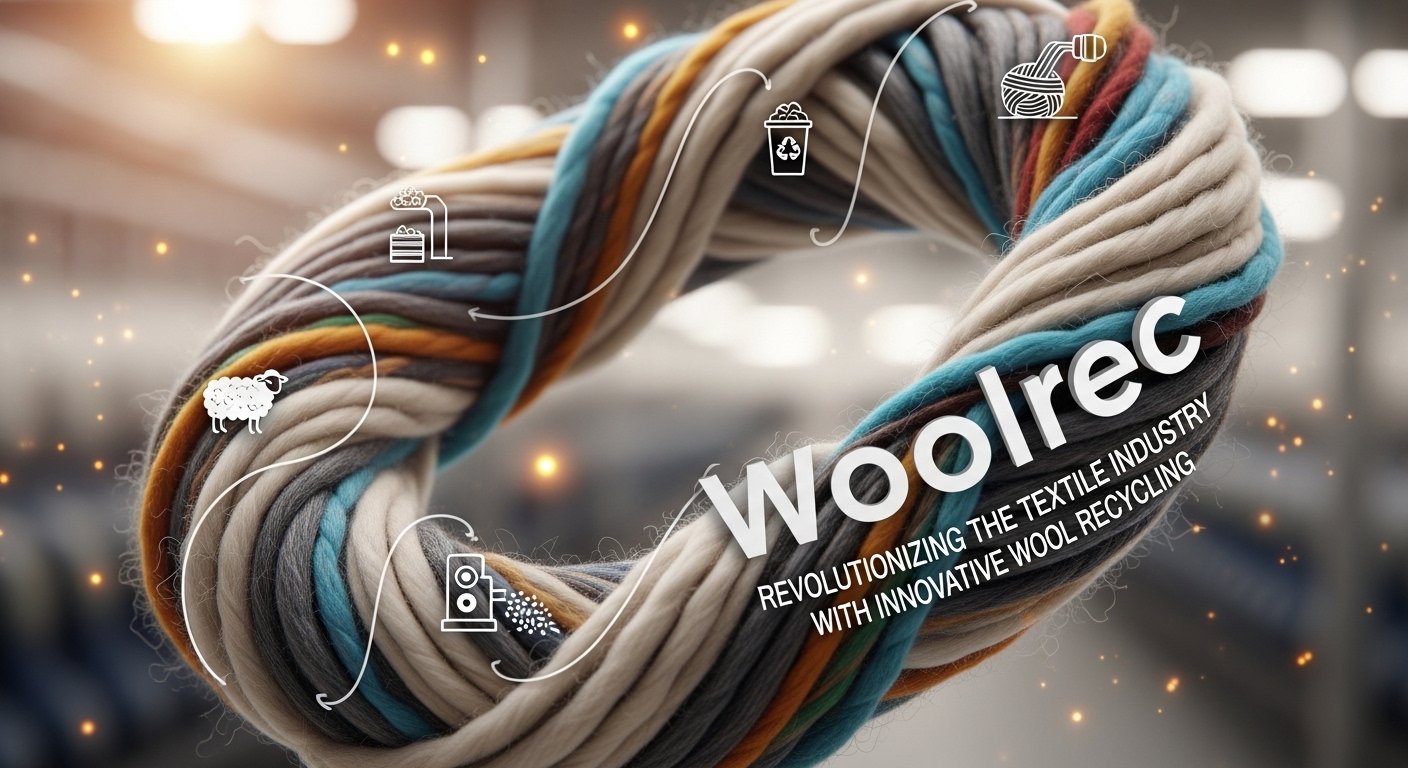
Wool recycling begins with the collection of post-consumer wool garments. These items are carefully sorted to separate natural wool from synthetic blends. This step is crucial for ensuring high-quality recycled products.
After sorting, the wool undergoes a thorough cleaning process to remove dirt and impurities. This enhances the quality of the fibers, making them ready for reuse in new textiles.
Next comes shredding, where cleaned wool is broken down into smaller pieces. This prepares it for reprocessing into yarn or felted materials. The shredded fibers can be blended with other sustainable materials if desired.
The final stage involves spinning these fibers into new yarns or fabrics that meet industry standards. By following this meticulous process, Woolrec creates a closed-loop system that not only reduces waste but also promotes sustainability in fashion.
Advantages of Using Recycled Wool in Textile Production
Recycled wool brings numerous advantages to textile production. First, it significantly reduces the environmental impact associated with conventional wool farming and processing. By reusing existing materials, we conserve water and energy resources.
Moreover, recycled wool maintains high-quality standards. It offers durability comparable to virgin wool while providing a soft texture that consumers love. This quality ensures longevity in fashion items, reducing waste over time.
Using recycled materials also encourages innovation in design. Brands can experiment with blends and textures that stand out in a crowded market. The aesthetic appeal of recycled wool attracts eco-conscious shoppers seeking unique pieces.
Additionally, embracing recycled wool fosters a circular economy within the fashion industry. It creates new job opportunities centered around sustainable practices while promoting ethical consumption habits among consumers keen on supporting green initiatives.
Integrating recycled wool into production processes is not just beneficial; it’s essential for building a more sustainable future for textiles.
Success Stories of Brands Implementing Woolrec’s Methods
Several brands have embraced Woolrec’s innovative methods, leading the charge in sustainable fashion. One notable success story is a well-known outerwear company that shifted to using recycled wool for its winter collection. This initiative not only reduced waste but also attracted eco-conscious consumers.
Another brand specializing in high-quality knitwear showcased how integrating Woolrec’s processes helped them maintain their premium quality while minimizing their carbon footprint. The result was a stunning line of sweaters that appealed to both style and sustainability enthusiasts.
Additionally, an emerging footwear label utilized recycled wool from Woolrec to create stylish yet comfortable shoes. Their commitment to environmental responsibility resonated with customers looking for eco-friendly alternatives.
These examples demonstrate the practical benefits of adopting Woolrec’s methods, inspiring others in the industry to follow suit and embrace greener practices.
Challenges and Limitations of Wool Recycling
Wool recycling is not without its hurdles. One significant challenge lies in the quality of raw materials. Contaminated or poorly sorted wool can lead to inferior recycled products.
Additionally, the technological processes for recycling wool are still evolving. Current methods may not fully restore the original properties of high-quality fibers, limiting their applications in premium textile production.
Consumer perception also plays a role. Many people remain unaware of the benefits and potential of recycled wool, hindering market demand.
Moreover, scalability poses another issue. While small operations excel at crafting sustainable items from recycled wool, larger manufacturing systems need better integration techniques to adopt these practices effectively.
These obstacles highlight that while Woolrec aims to innovate within this space, overcoming challenges requires collaboration across industries and ongoing research into advanced recycling technologies.
Future Possibilities and Potential for Growth
The future of Woolrec is bright, brimming with possibilities. As sustainability becomes a central focus in the textile industry, more brands are likely to embrace wool recycling methods.
Innovation in technology will enhance the efficiency of wool processing. Advanced techniques can improve recovery rates and streamline production lines. This could lead to higher quality recycled products that meet consumer demands.
Consumer awareness plays a pivotal role as well. A growing number of shoppers prioritize eco-friendly choices. Their support can drive brands to adopt sustainable practices like those offered by Woolrec.
Collaboration within the industry holds significant potential too. Partnerships between manufacturers, retailers, and recyclers could create circular supply chains that minimize waste while maximizing resource use.
As more companies recognize these benefits, we may witness an exponential growth in recycled wool’s market presence—transforming not just individual brands but entire sectors toward sustainability.
How You Can Support Sustainable Fashion with Woolrec
Supporting sustainable fashion with Woolrec is easier than you might think. Begin by choosing brands that prioritize recycled wool in their collections. Look for labels that showcase their commitment to eco-friendly practices.
You can also spread the word about Woolrec and its revolutionary approach. Share your knowledge on social media or discuss it within your community. Awareness drives change, and every conversation counts.
Consider hosting or attending local events focused on sustainable textiles. These gatherings are perfect opportunities to connect with like-minded individuals passionate about reducing waste in the fashion industry.
Explore DIY options using recycled wool scraps from various sources. Create unique pieces while promoting sustainability at home. Each small effort contributes to a larger movement toward a more responsible textile industry with Woolrec leading the way.
Conclusion
Woolrec is not just a company; it’s part of a movement toward sustainable fashion. The textile industry has long faced scrutiny for its environmental impact, but Woolrec provides a beacon of hope. With innovative wool recycling methods, they are changing the narrative about waste in textiles.
The process of wool recycling is both fascinating and intricate. It transforms discarded wool into high-quality fibers that can be used again in new products. This not only reduces landfill waste but also conserves resources needed to produce virgin materials.
Brands that have adopted Woolrec’s practices showcase the potential benefits. They create sustainable collections without compromising on style or quality, appealing to eco-conscious consumers who want more from their purchases.
While there are challenges in scaling up wool recycling operations—such as sourcing consistent raw materials—it’s clear that the potential for growth exists. As more brands recognize these opportunities, we may see a shift towards broader adoption across the industry.
Everyone can play a role in promoting sustainable fashion through awareness and support for initiatives like Woolrec. By choosing recycled products and encouraging brands to adopt environmentally friendly practices, we contribute to this vital cause.
Supporting innovators like Woolrec means investing in a healthier planet while enjoying fashionable choices that align with our values. The future holds promise as we embrace responsible consumption together.