





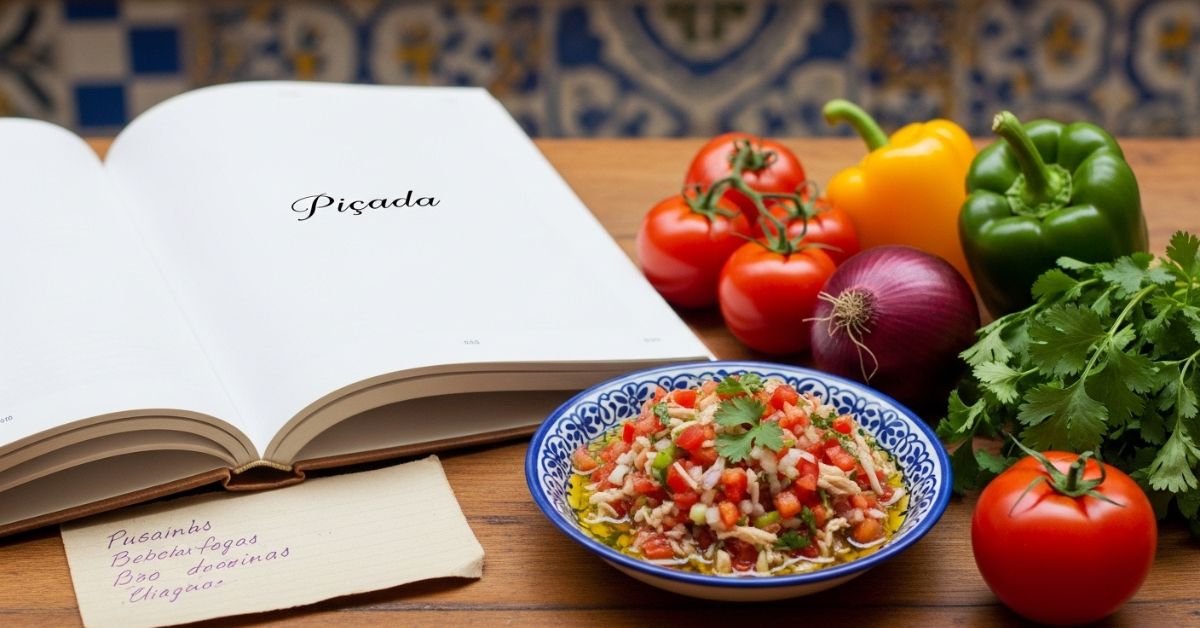
Introduction to Piçada
When is the last time you came across a term that was heavy, profound, and culturally significant all at once? Here we have “piçada,” a word that reverberates across the rich culture and language of Portugal. Piçada encompasses culinary customs, social interactions, and traditions that have their origins in the past. For many, piçada is an integral part of their daily lives, whether it’s in the form of heartfelt discussions or delicious meals. We invite you to accompany us as we investigate this potent Portuguese word, its history, and the multitude of tales it stands for.
The Meaning and Origin of Piçada
In Portuguese, piçada is a lively word with many subtleties. Literally meaning “a pinch” or “a touch,” it is most commonly used to describe very tiny quantities of substances in cookery. Nevertheless, its cultural importance goes well beyond its use in cooking.
Piçada has its roots in traditional Portuguese cooking, when home chefs would season their food to perfection. This one little thing captures all the love and effort that goes into making food.
Piçada has become an emblem of Portuguese culinary history in many locations. It symbolizes the cultural and personal bonds that individuals form over shared meals with loved ones and other community members. In addition to flavor, the phrase captures the welcoming spirit and generous hospitality that are hallmarks of Portuguese culture.
How Piçada is Used in Portuguese Culture
Piçada is a beloved dish in Portugal, and its rich history and many regions are often reflected in it. Symbolizing fervor and intensity, this potent word includes both bodily movements and emotional responses.
Piçada, in casual conversation, can mean anything from lighthearted banter to intense annoyance. As a means of releasing pent-up feelings, it facilitates a more intimate connection between the speakers. The word has a lot of regional resonance, with different pronunciations and meanings in different parts of the world.
Piçada is frequently used in culinary situations. It denotes the use of strong tastes in traditional cookery, achieved by methods such as seasoning or marinating. As a tribute to Portugal’s illustrious culinary history, these “piçadas” elevate the eating experience.
Piçada is also a common dish served during parties and celebrations. Passionate arguments and energetic dance performances are at the core of Portuguese culture, and this phrase captures it all.
Examples of Famous Piçadas
The term “piçada” is more than a noun; it is intrinsic to Portuguese identity. During the lively festivities of São João in Porto, one well-known piçada is frequently linked. Participating in lighthearted mock battles with wooden sticks and humorous conversation, festival-goers show off their physical and mental skills.
One other prominent example is the traditional Fado music. Here, piçadas are used as a metaphor for the difficulties in life, with the musicians expressing their perseverance via moving songs that touch listeners emotionally.
Prominent literary figures have often had their characters recite piçadas that show their satire or social criticism. Instances like these make ordinary conversation more meaningful and unforgettable.
The use of strong tastes as a garnish on traditional meals may still create a piçada effect, drawing the diner in for a moment of fun sensory exploration with each bite.
Similar Words in Other Languages
There are many terms in many languages that express the same meaning or highlight the same cultural aspects as “piçada.”
For example, “picada” is a combination of finely diced items in Spanish, which is commonly used in cooking. It is a culinary phrase that is rich in heritage and flavor.
One such Italian word is “pestare,” meaning to pound or crush. The care and attention that goes into cooking is reflected in this term as much as the method itself.
A little nibble is called a “pico” in French. The concept of relishing in each and every bite rings true.
As a result of their shared language, each of these words shows how much different civilizations respect the culinary arts. In doing so, they bring attention to the globally beloved practice of communal meetings based on food.
Controversy and Evolution of the Word
There has been a lot of back and forth about the meaning of the term “piçada” throughout the years. The word has taken on negative connotations since its original use in describing rural life and the importance of community.
Word meanings change together with the development of language. When society and culture undergo changes, even a seemingly harmless term can take on new connotations. The ever-changing character of piçada prompts a continuous discussion on its modern interpretation and use.
While some see piçada as a symbol of community strength and endurance, others may see it as combative. The many perspectives shown here highlight the ways in which cultural narratives and individual experiences influence language.
In addition, piçada conversations have been magnified on social media, which has resulted in both positive and negative feedback. Our increasing cognizance of the influence of language on social identities and relationships is reflected in the dynamic nature of the discourse.
Conclusion
Piçada encompasses a diverse array of traditions, cuisine, and culture; it is more than a mere word. A strong affinity for the homeland and its inhabitants is evident in its Portuguese origins. This potent phrase has resonances beyond of the kitchen, as you will discover when you delve deeper into it.
Language has the power to transmit meaning from one generation to another, and piçada is a prime example of this. Whether it’s a family reunion or a neighborhood potluck, it’s always a good reminder of the common history and experiences that everyone has.
The fact that piçada may be used in so many different ways is a good reminder that words change and adapt throughout time, yet they always stay the same. Because of this change, people all around the world may now experiment with new foods and ways of preparing them.
When we accept piçada and other such names, we honor not just their meaning but also the history they represent. Hence, the next time you encounter this fascinating term or eat a meal that is improved by its essence, pause to contemplate the profundity of it—an invitation to engage with history in every mouthful.
Also Read Dampfreis : How to Make Perfect Healthy Steamed Rice at Home