





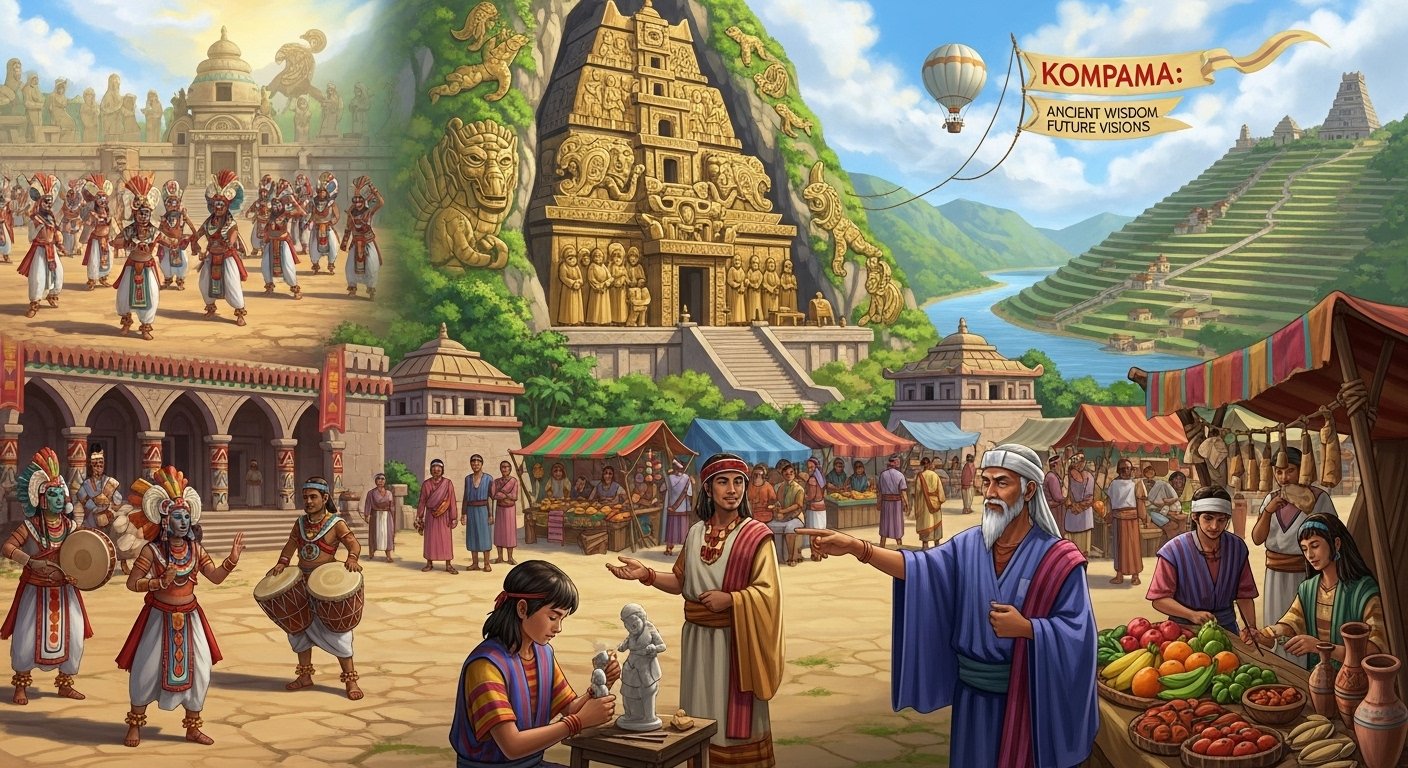
Kompama is more than just a name; it’s a vibrant tapestry woven with history, culture, and tradition. Nestled in the heart of its community, Kompama has captured the essence of its people through generations. From ancient practices to modern adaptations, this unique heritage serves as a bridge connecting the past to the present. As we journey deeper into what makes Kompama so special, you’ll discover not only its origins but also how it continues to thrive amid changing times. Join us as we explore this captivating cultural gem that deserves a place on everyone’s radar.
Origins of Kompama
Kompama has roots that stretch deep into history, intertwined with the traditions of its people. This community emerged as a melting pot of cultures and influences, each contributing to its unique identity.
The origins are often traced back to ancient settlements where agriculture flourished. The fertile land allowed for diverse crops, which laid the foundation for Kompama’s economy and social structure.
Over time, migrations brought in various ethnic groups. Each group added layers to the cultural tapestry of Kompama. Languages were exchanged, customs blended, and new beliefs took shape.
Local folklore hints at legendary figures who shaped early life in Kompama. These stories continue to be cherished and passed down through generations.
The historical significance is palpable today. Exploring these origins reveals not just where Kompama came from but also how it continues to evolve while honoring its past.
Significance of Kompama in Local Culture
Kompama holds a distinctive place in the heart of local culture. It embodies traditions that have been passed down through generations, weaving together the community’s identity.
The vibrant festivals centered around Kompama are not just celebrations; they are gatherings that strengthen bonds among families and neighbors. Music, dance, and art inspired by Kompama breathe life into these events, showcasing the creativity of local artisans.
Moreover, Kompama serves as a symbol of resilience. In times of adversity, it reminds people to cherish their roots while embracing change. This connection to heritage fosters pride among residents.
Educational programs surrounding Kompama further enhance its significance. They teach younger generations about their history and instill respect for cultural diversity within the community’s tapestry.
Through these layers of meaning, Kompama transforms everyday interactions into moments rich with purpose and belonging.
Traditional Practices and Customs Associated with Kompama
Kompama is steeped in rich traditions that reflect its unique cultural identity. One prominent practice involves communal gatherings, often centered around storytelling and music. These events foster a sense of unity among community members.
Craftsmanship plays a vital role as well. Artisans handcraft intricate textiles and pottery that embody the essence of Kompama’s history. Each piece tells a story, connecting generations through art.
Rituals marking seasonal changes are also significant in Kompama culture. Festivals celebrate harvests, honoring the land and its bounty with vibrant dances and feasts.
Additionally, traditional culinary practices shine brightly here. Locally sourced ingredients come together to create dishes passed down through families for centuries. This connection to food reflects deep respect for heritage.
Every aspect resonates with meaning—these customs not only preserve history but also strengthen community bonds within Kompama’s vibrant tapestry of life.
Modern Adaptations and Innovations in Kompama
Kompama is evolving, blending tradition with contemporary influences. These modern adaptations reflect the community’s resilience and creativity.
One notable innovation is the integration of technology into traditional practices. Local artisans now showcase their crafts online, reaching a global audience. This digital presence helps preserve Kompama’s heritage while attracting new admirers.
Culinary innovations also stand out. Chefs experiment with traditional recipes, incorporating local ingredients in unexpected ways. The result? A fusion that respects history but excites modern palates.
Festivals have transformed too. They incorporate interactive elements like workshops and virtual experiences, drawing younger generations closer to their roots.
Art forms are being reimagined as well. Street art inspired by Kompama motifs can be seen in urban spaces, creating dialogue between past and present.
These changes illustrate how Kompama remains vibrant while honoring its rich cultural tapestry.
Preserving and Promoting Kompama Heritage
Preserving Kompama heritage is a collective responsibility that requires community involvement. Local groups and organizations play a vital role in safeguarding traditions. They host events showcasing music, dance, and crafts unique to the culture.
Education also serves as a key component. Schools are integrating local history into their curricula, ensuring younger generations understand the significance of their roots. Workshops on traditional skills attract both locals and tourists alike.
Social media platforms have emerged as powerful tools for promoting Kompama heritage globally. Engaging content, videos, and storytelling help spread awareness beyond borders.
Collaborations with artists can breathe new life into age-old practices while keeping them relevant today. This fusion creates a vibrant atmosphere where tradition meets innovation seamlessly.
Such initiatives foster pride among community members, reinforcing their connection to their rich cultural tapestry while encouraging active participation in future preservation efforts.
The Future of Kompama: Growth and Evolution
Kompama stands at a crossroads, blending tradition with modern aspirations. Its cultural significance continues to inspire local communities and outsiders alike.
As technology advances, so does the potential for Kompama’s growth. Digital platforms are emerging as vital tools for sharing its rich heritage with the world. Artists and craftsmen are harnessing social media to showcase their work, drawing attention and appreciation from global audiences.
Education also plays a crucial role in this evolution. Local schools incorporate Kompama’s traditions into their curriculums, ensuring that younger generations remain connected to their roots while embracing new ideas.
Moreover, tourism is on the rise. Visitors seeking authentic experiences bring fresh energy to Kompama’s age-old customs. Festivals celebrating its vibrant culture attract crowds, providing economic benefits while fostering deeper community ties.
With each passing year, Kompama evolves yet remains firmly anchored in its historical narrative—a testament to resilience and adaptability.
Conclusion
Kompama represents a vibrant tapestry of history and culture that continues to thrive in today’s world. Its origins are steeped in rich traditions, showcasing the resilience and creativity of its people. The significance of Kompama within local culture is evident through various customs and practices, which not only honor the past but also foster community spirit.
As society evolves, so does Kompama. Modern adaptations reflect contemporary influences while still paying homage to traditional roots. This dynamic interplay between old and new ensures that Kompama remains relevant, attracting interest from both locals and visitors alike.
Efforts to preserve and promote this heritage are crucial for future generations. Engaging initiatives aim to keep the essence of Kompama alive, ensuring its stories continue to be told. With ongoing growth, there is potential for further exploration into what makes Kompama unique.
The journey ahead looks promising as more people discover the depth of Kompama’s cultural significance. It stands as a testament to how communities can embrace their identity while adapting to change—an inspiring model for preserving heritage amidst modernity.