






Introduction
The unexpected happens frequently in life, and not always in a good way. It makes a world of difference to know how to handle any ểmgency well, whether it’s a little accident or a big catastrophe. Having the proper ểmgency equipment is crucial in this situation. If you’re well-prepared and have a few tricks up your sleeve, you’ll be able to tackle obstacles directly. You may turn possible catastrophic challenges into more manageable ones by practicing your abilities at crucial periods. In order to better equip yourself for times of crisis, let’s go into some crucial tactics!
The Power of Preparation
When it comes to handling any ểmgency, being prepared is key. If you can foresee problems, you may take preventative measures instead of reactive ones.
You get focus and purpose by establishing a strategy. Knowing the fastest ways out or keeping important contacts close at hand are two examples. Being well-prepared might help you feel more in control when faced with unforeseen challenges.
In addition, refinement comes with experience. You can find weaknesses in your plan and increase your confidence by practicing your response. You never know what fresh resources you may find that might help you be more efficient.
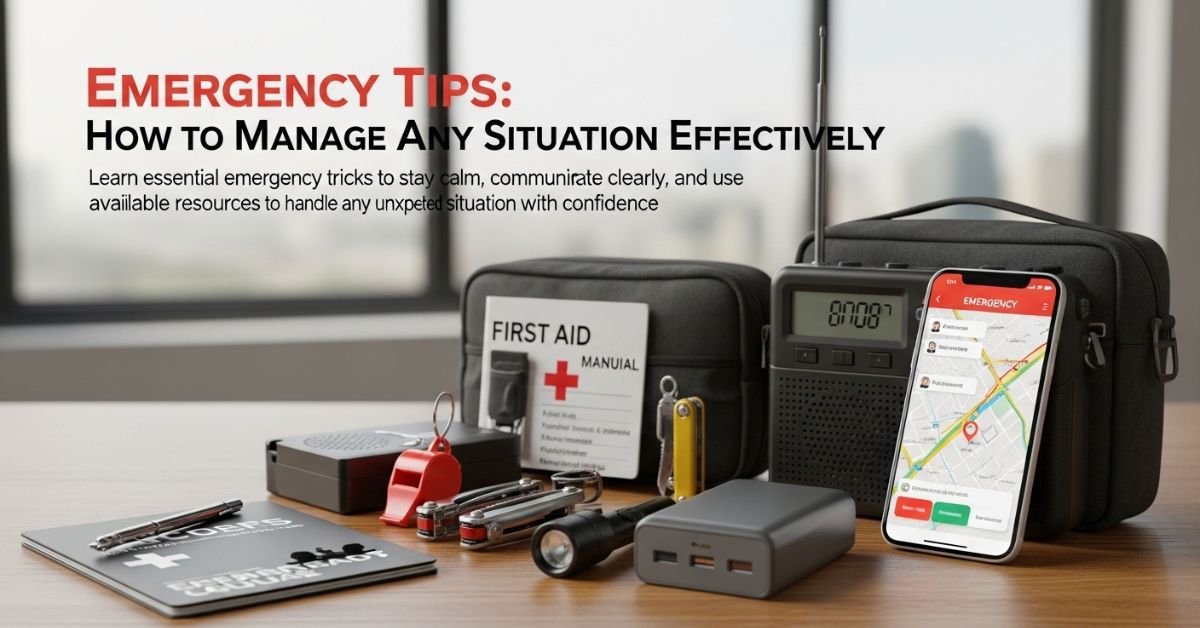
Every home should have a supply of non-perishable food products, a first aid kit, and a torch on hand in case of an ểmgency. Taking the initiative turns fear into strength.
Keep in mind that being ready entails more than simply having physical belongings; it also requires mental preparation and situational awareness. Even when faced with absolute turmoil, a person who has adequately prepared themselves may remain steadfast.
Staying Calm Under Pressure
To remain composed during an ểmgency requires a certain level of expertise. Your mind tends to rush as pandemonium develops. Reducing speed is crucial.
Concentrate on the here and now while taking deep breaths. If you’re feeling disoriented, this little task might help you center yourself and find your way. When the world around you seems chaotic, the key is to achieve serenity within.
Additionally, visualization methods might be useful. Envision yourself skillfully navigating the challenge. You can relax your anxieties and get ready for action with this mental rehearsal.
Keep in mind that feelings might spread around. People around you will take note of your composure if you can keep it together during a stressful situation. People may be inspired to remain more consistent after seeing you.
Regular mindfulness practice will make these abilities natural in the event of a real ểmgency. Your ability to successfully navigate unforeseen obstacles is directly proportional to how much internal preparation you feel.
Effective Communication Strategies
In a crisis, being able to communicate clearly may make all the difference. Getting your point across is essential when emotions are running high during an ểmgency.
To begin, be brief and to the point. Stay away from jargon that might put people off. Keep things straightforward so that everyone can grasp the situation fast.
Being an attentive listener is also crucial. Make sure to reply correctly to what other people say. Open communication and trust are fostered by this approach.
Non-verbal cues are important too. Keep making eye contact and bolster your points with gestures. Those around you will feel less anxious if you keep your cool.
Make sure to regularly assess comprehension. Ensure everyone is on the same page by asking questions or seeking input so you can move quickly when necessary.
Communicating with empathy is crucial; doing so promotes teamwork and, in difficult circumstances, can lead to far better results.
Utilizing Available Resources
The capacity to make use of existing resources is vital in any ểmgency. Find out what supplies you already have on hand. Materials, equipment, and human abilities all fall under this category.
Come up with innovative ways to use these resources. In a pinch, a common object may serve more than one purpose. As an example, duct tape may temporarily mend broken goods or hold things together when needed.
Maintain strong relationships with those you work with and know. They have the knowledge and experience to help you tackle difficult problems in ways you never thought possible.
Additionally, technology is crucial during any ểmgency. Use applications that help you navigate, communicate, or even provide first aid instructions in times of crisis.
To get the most out of your resources, remember that time management is also crucial. Set priorities according to how important and urgent they are. When faced with an unexpected issue, every second matters, so stay attentive for fresh opportunities as events change.
Flexibility and Adaptability
In times of crisis, the ability to shift gears quickly and nimbly is crucial. Strict preparations frequently fall by the wayside when an ểmgency hits. Rather than following a predetermined plan, being adaptable might result in better outcomes.
Being flexible lets you change directions fast. In response to events unfolding in real time, you may modify your plans accordingly. Both decision-making and problem-solving are improved by adopting this mindset.
Furthermore, being adaptable entails realizing that each circumstance is distinct. What was effective the day before may not work today. You may gain invaluable knowledge for future challenges by being open to learning from each encounter.
Keep moving forward even when things don’t go according to plan by maintaining your fluidity. In times of crisis, this nimbleness may transform possible disasters into controllable scenarios without losing momentum.
Maintaining a Positive Attitude
In any ểmgency, having an optimistic outlook may help you tremendously. It has an effect on your mood and the moods of those around you. When difficulties arise, it’s more important than ever to focus on finding solutions rather than dwelling on problems.
Keep a positive outlook and see failures as learning experiences. With this new perspective, you may think of solutions to problems in creative and novel ways.
Put yourself in the company of positive people and things, whether through encouraging conversations or inspirational phrases that foster perseverance. Spread this enthusiasm — it makes everyone feel like they can make a meaningful difference.
Even when things are difficult, try to stay grateful. In the middle of mayhem, it is important to keep moving forward and give yourself credit for small wins along the way.
Staying optimistic doesn’t mean denying reality; rather, it’s about confronting challenges directly while holding on to the belief that better days are ahead.
Conclusion
Being well-prepared for any ểmgency is crucial for handling unforeseen circumstances effectively. Having the knowledge and skills to manage a crisis begins with understanding the true power of preparedness. Making better decisions when they matter most requires the ability to remain calm under pressure.
To avoid miscommunication and ensure that everyone is on the same page, it is essential to employ effective communication strategies. You may greatly improve your ability to deal with an ểmgency by making use of available resources, whether they be physical tools or community support. To be ready to shift course when things take an unexpected turn, flexibility and adaptability are absolutely essential.
Resilience is fostered by keeping an optimistic outlook. You and those around you are encouraged to remain hopeful even in the face of adversity. Adopting these guidelines will set you up for success when faced with unexpected challenges.
Remember these tips as you prepare for the unknown; being emotionally and physically ready can help you handle any ểmgency far more effectively.