






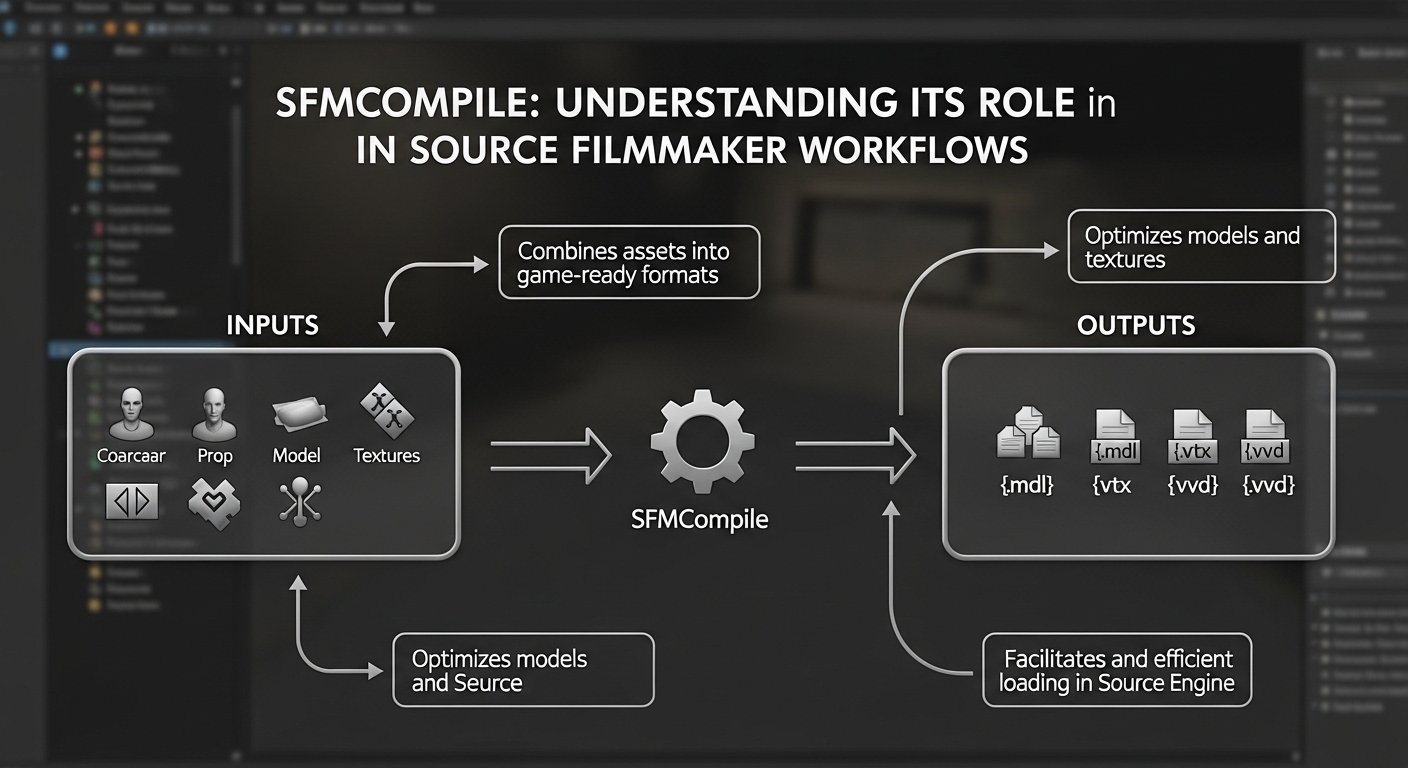
Source Filmmaker (SFM) has taken the creative world by storm, empowering artists and animators to craft stunning cinematic experiences using assets from games like Team Fortress 2 and Portal. Whether you’re a seasoned professional or just dipping your toes into the realm of animation, understanding the tools at your disposal is crucial. One such tool that often doesn’t receive enough attention is SFMCompile. It plays a vital role in streamlining workflows and enhancing efficiency when working on projects within SFM.
But what exactly is SFMCompile? And how can it elevate your filmmaking process? Let’s dive into this essential component of Source Filmmaker workflows and explore its significance in creating remarkable animations.
The Importance of SFMCompile in SFM Workflows
SFMCompile plays a crucial role in the Source Filmmaker workflow. It streamlines the process of converting assets, making them ready for animation and rendering.
By efficiently compiling models and textures, SFMCompile eliminates bottlenecks that can slow down production. This allows creators to focus on their storytelling rather than technical issues.
The tool also enhances compatibility between various formats, ensuring smoother integration of assets into projects. As a result, users can achieve higher quality outputs without sacrificing time or effort.
Moreover, it simplifies collaboration among team members by providing a consistent foundation for asset management. This fosters creativity and efficiency when working on complex scenes or large-scale projects.
Harnessing the power of SFMCompile is essential for anyone looking to elevate their Source Filmmaker experience while maximizing productivity.
What is SFMCompile?
SFMCompile is a crucial tool for anyone working within the Source Filmmaker environment. It acts as a bridge, converting and compiling files necessary for animation projects.
Built specifically to work with SFM, it streamlines the process of importing models, animations, and other assets into your film. This ensures that everything runs smoothly during production.
The utility handles various file formats efficiently. By simplifying complex tasks, it saves creators time and frustration.
Additionally, SFMCompile allows users to address common issues related to asset compatibility. This means fewer headaches when trying to get your project off the ground.
Understanding how SFMCompile operates can significantly enhance your workflow in Source Filmmaker projects. Its role cannot be overstated if you’re looking for efficiency in filmmaking endeavors.
How to Use SFMCompile for Improved Efficiency
Using SFMCompile can significantly streamline your Source Filmmaker projects. Start by ensuring you have the latest version installed. This ensures compatibility with all recent features and fixes.
Next, familiarize yourself with its interface. The layout is user-friendly, allowing for quick access to essential functions like compiling models and animations. Spend some time exploring each feature; this investment will pay off in efficiency.
When you’re ready to compile, organize your assets clearly within folders. A well-structured workspace reduces confusion and speeds up the compilation process.
Utilize batch processing when working on multiple files at once. This feature saves considerable time compared to single-file operations.
Don’t overlook the power of shortcuts! Keybindings can help you navigate faster through tasks and minimize mouse usage, enhancing your workflow even further.
Tips and Tricks for Using SFMCompile
When working with SFMCompile, keeping your project organized is crucial. Use clear naming conventions for your files and folders. This helps you locate assets quickly.
Experiment with different compile settings to find what works best for your specific needs. Adjusting parameters can significantly enhance performance and output quality.
Regularly update the program to benefit from improvements and bug fixes. Staying current ensures smoother workflows.
Utilize command line options in SFMCompile for additional flexibility. These commands can help streamline processes that might otherwise slow down your work.
Don’t hesitate to seek advice from the community or online forums. Other users often share valuable insights that can refine your approach or solve common issues you may encounter during compiling.
Case Study: Successful Use of SFMCompile in a Professional Project
One standout example of SFMCompile in action comes from a small indie studio aiming to create an animated short film. They faced challenges with rendering times and asset management, which hampered their workflow.
By integrating SFMCompile into their pipeline, they streamlined the process significantly. The team found that compiling assets became far more efficient. This allowed them to focus on creativity rather than technical hiccups.
During production, the director noted a marked improvement in collaboration among team members. With faster compile times, animators could see changes almost instantly. Feedback loops shortened dramatically.
This project not only met its deadlines but exceeded expectations in quality as well. Thanks to SFMCompile, the final product showcased stunning visuals and smooth animations—testament to how effective tools can elevate artistic endeavors.
Conclusion
SFMCompile plays a crucial role in optimizing workflows within Source Filmmaker. By streamlining the process of compiling and managing assets, it empowers creators to focus on their storytelling rather than getting bogged down by technical challenges.
Understanding how to effectively use SFMCompile can significantly enhance productivity. Whether you’re a seasoned filmmaker or just starting out, tapping into its features will help you create smoother animations and compelling narratives.
With practical tips and real-world examples showcasing its impact, it’s clear that integrating SFMCompile into your workflow is not just beneficial—it’s essential for anyone serious about their craft. The insights from successful projects serve as motivation to explore what SFMCompile can do for your own creations.