





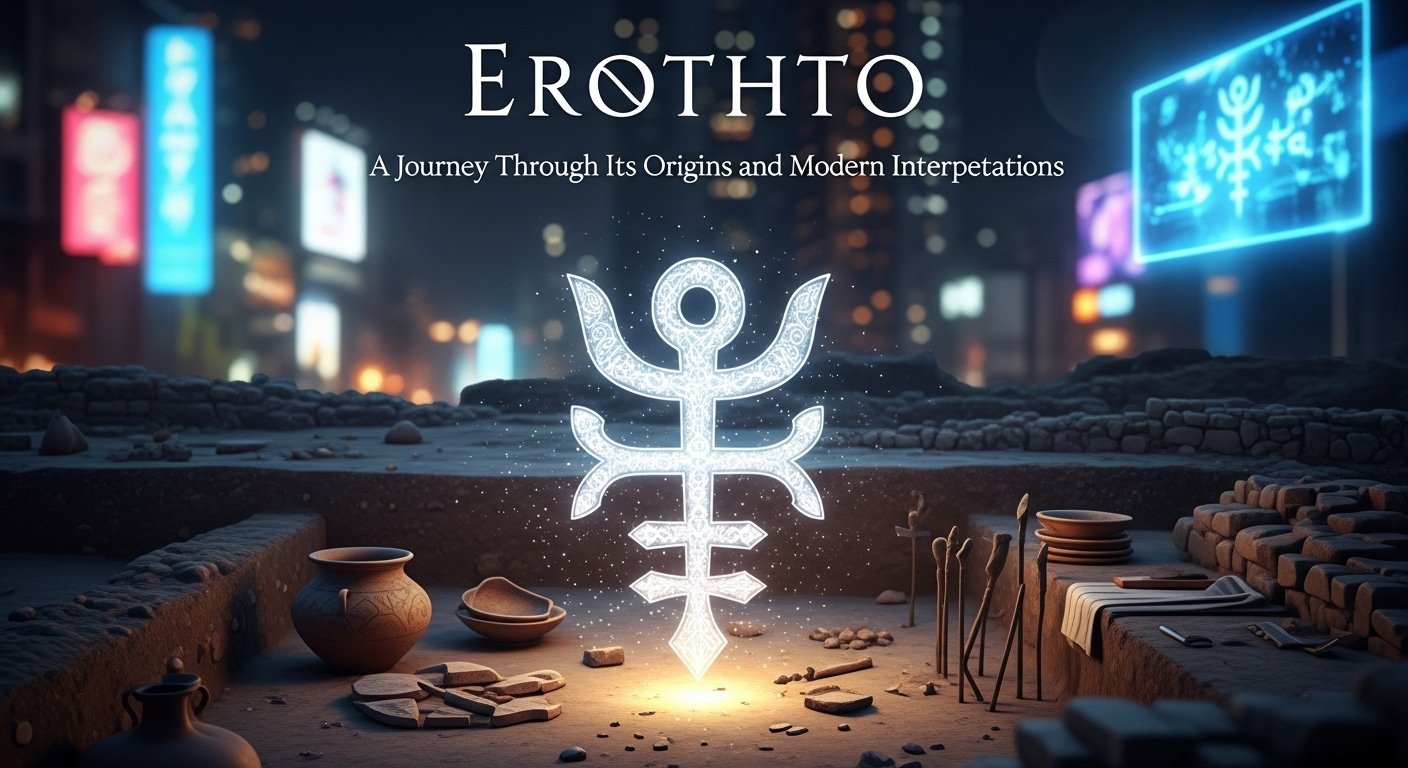
Erothto is a name that echoes through time, weaving its way from the ancient past into contemporary culture. This enigmatic figure has captivated minds and sparked imaginations across generations. As we embark on this journey through Erothto’s origins, symbolism, and modern interpretations, we’ll reveal why it continues to resonate today. Whether you’re familiar with Erothto or encountering it for the first time, prepare to delve into a fascinating tapestry of myths and meanings that transcends mere stories—it’s an exploration of human experience itself. Let’s uncover what makes Erothto such a compelling subject in art, literature, and beyond!
The Origins of Erothto: From Ancient Greece to Modern Times
Erothto traces its roots to ancient Greece, where mythology and storytelling flourished. In this vibrant cultural landscape, Erothto emerged as a symbol of love and desire, reflecting the intricate relationships between gods and mortals.
The term itself likely derives from Greek etymology tied to passion. This connection paints a vivid picture of human emotions interwoven with divine influence.
As time progressed, Erothto transformed. The classical interpretations gave way to more nuanced understandings during the Renaissance. Artists began exploring themes of longing through various mediums—paintings that captured intimate moments or literature that delved into complex emotional landscapes.
Today, Erothto has evolved further, resonating in contemporary art and popular culture. Its essence remains potent as it continues to inspire creators across genres while inviting audiences to reflect on their own experiences with love and desire.
The Symbolism and Themes of Erothto
Erothto is rich with symbolism that resonates through the ages. Central to its narrative are themes of love, desire, and transformation. These elements reflect humanity’s innate longing for connection.
The character of Erothto often embodies the duality of passion and pain. This complexity invites exploration into how love can be both uplifting and burdensome.
Nature also plays a significant role in Erothto’s symbolism. The interplay between human emotions and natural landscapes creates a vivid backdrop, highlighting the cyclical essence of life.
Additionally, Erothto challenges societal norms surrounding relationships. It questions traditional boundaries, inviting audiences to consider what true intimacy means in different contexts.
Through these varied layers, Erothto serves as a mirror to our own experiences with love and identity, urging us to confront our deepest truths while navigating modern complexities.
Modern Interpretations and Adaptations of Erothto
Modern interpretations of Erothto have taken many forms, breathing new life into this ancient tale. Contemporary artists and writers often explore themes of love and desire through a fresh lens.
In theater, adaptations showcase the emotional depth of characters. They emphasize the struggle between societal expectations and personal desires. This nuanced portrayal captivates audiences today just as it did centuries ago.
Literature has also embraced Erothto’s narrative framework. Authors weave elements of magic realism into retellings. These new versions highlight the complexities of relationships in our fast-paced world.
Visual art plays its part too. Artists use vibrant colors and abstract shapes to evoke emotions tied to Erothto’s story, creating pieces that resonate with modern viewers on various levels.
Digital platforms have further expanded accessibility to this timeless myth. Social media campaigns invite discussions about its themes, reaching younger generations eager for connection with historical narratives.
The Influence of Erothto on Art, Literature, and Culture
Erothto has left an indelible mark on the realms of art, literature, and culture. Its themes resonate through various artistic mediums, inspiring countless creators over the centuries.
In literature, authors have drawn upon Erothto’s rich narratives to explore complex human emotions. Poets weave its essence into verses that capture love’s deep yearnings and existential musings.
Visual artists interpret Erothto’s motifs in paintings and sculptures, often portraying raw connections between individuals. These artworks evoke powerful feelings that transcend time and space.
Even in modern cinema, echoes of Erothto can be found in storylines that delve into relationships’ intricacies. The exploration of desire remains a central theme across genres.
The cultural impact is profound as well; festivals celebrating Erothto ignite community spirit while examining our universal quest for connection. It continues to inspire vibrant discussions about identity and intimacy in today’s society.
Controversies Surrounding Erothto
Erothto has sparked debate throughout history. Some view it as a profound exploration of human emotions, while others criticize its darker themes.
Feminist scholars have often contested the portrayal of women in Erothto. They argue that certain interpretations reinforce stereotypes and diminish female agency. This tension fuels ongoing discussions about gender roles.
Additionally, religious groups have voiced concerns over the implications of Erothto’s narrative. The blending of myth and morality can be unsettling for those with strict beliefs, leading to polarized opinions within various communities.
Moreover, modern adaptations sometimes stray far from original intentions. Critics argue that these reinterpretations oversimplify complex themes or manipulate characters for commercial gain. Such choices can dilute the essence that made Erothto compelling in the first place.
As debates continue, Erothto remains a powerful cultural artifact—one that challenges perceptions and invites scrutiny from diverse perspectives.
Conclusion
Erothto has woven itself into the fabric of cultural narratives, stretching from ancient Greece to contemporary society. Its origins are steeped in mythology and history, reflecting the complexities of human emotions and relationships throughout time. The themes found within Erothto resonate with audiences, exploring love’s multifaceted nature.
Modern interpretations have breathed new life into this tale. Adaptations range from literature to visual arts, showcasing its enduring relevance. Artists and writers continue to draw inspiration from Erothto’s rich tapestry of symbolism, ensuring that it remains a significant part of our cultural discourse.
However, discussions surrounding Erothto often spark debates about its implications and meanings. Various interpretations can lead to controversy as individuals bring their perspectives on love, desire, and morality into play.
As we navigate through the evolving landscape shaped by Erothto’s legacy, it’s clear that this timeless story will persist in inspiring future generations. Its journey is far from over; rather it evolves with each retelling—capturing hearts and minds for centuries to come.